The Importance of Correct HVAC Sizing
Understanding HVAC System Capacity
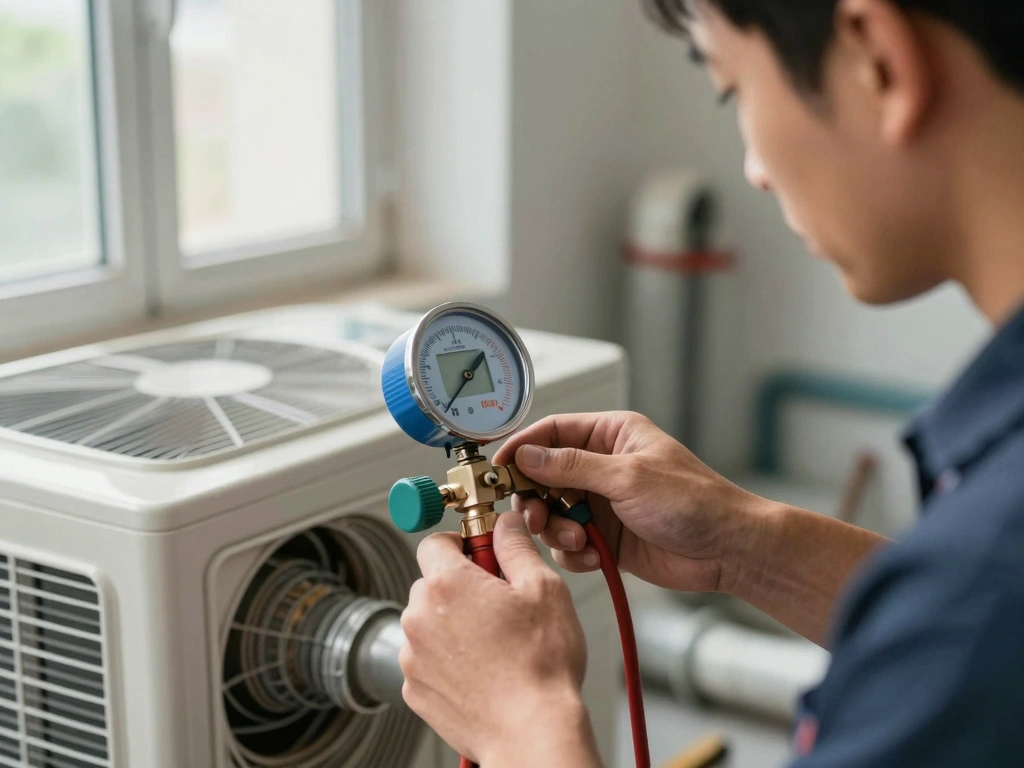
Heating, Ventilation, and Air Conditioning (HVAC) systems are essential for maintaining comfort in our homes. However, their effectiveness heavily relies on proper sizing. The capacity of an HVAC system is typically measured in British Thermal Units (BTUs) for heating and cooling power. A system that is correctly sized will efficiently heat or cool a space without overworking or underworking its components.
Factors Influencing HVAC Size
Several factors must be considered when determining the appropriate size for an HVAC system:
- Square Footage: The total area of the home significantly impacts the required capacity. A larger home will necessitate a system with a higher BTU rating.
- Insulation Quality: Homes with poor insulation will lose heat in winter and gain heat in summer, thus requiring a more powerful system to compensate.
- Window Size and Placement: Large windows, especially those facing the sun, can increase heat gain, necessitating a more robust cooling system.
- Local Climate: Homes in hotter climates require air conditioning systems with higher capacities than those in milder areas.
- Occupancy: The number of people living in a home can affect its heating and cooling needs. More occupants generate more heat and humidity.
Consequences of Incorrect Sizing
Choosing the wrong size HVAC system can lead to numerous issues, including:
- Increased Energy Costs: An oversized system will cycle on and off frequently, consuming more energy and resulting in higher utility bills.
- Inconsistent Temperatures: An undersized system may struggle to maintain the desired temperature, leading to discomfort.
- Wear and Tear: Systems that frequently short cycle can experience increased wear, leading to more frequent repairs and a shorter lifespan.
How Short Cycling Affects Home Comfort
Defining Short Cycling in HVAC Systems
Short cycling refers to the process where an HVAC system turns on and off rapidly, failing to complete a full heating or cooling cycle. This situation can occur for various reasons, often linked to incorrect sizing, malfunctioning thermostats, or improper installation.
Signs Your System is Short Cycling
Homeowners may notice several signs indicating that their HVAC system is short cycling:
- Frequent On/Off Cycling: The system runs for short periods—often less than 10 minutes—before shutting off again.
- Inconsistent Temperatures: Different rooms may feel significantly warmer or cooler than others, indicating that the system isn't effectively distributing air.
- Increased Energy Bills: A noticeable spike in energy costs can signal inefficiency due to short cycling.
- Unusual Noises: Frequent start-stop actions can lead to increased noise from the unit, including clicking or buzzing sounds.
Impact on Indoor Air Quality
Short cycling not only affects comfort but also impacts indoor air quality. When the system runs for shorter cycles, it does not allow enough time to filter and circulate the air properly. This can lead to:
- Higher Humidity Levels: In humid climates, the system may not run long enough to effectively dehumidify the air, leading to mold growth and discomfort.
- Increased Dust and Allergens: Insufficient filtration can allow dust, pollen, and other allergens to accumulate, affecting the health of residents.
Link Between HVAC Sizing and Short Cycling
How Oversized Systems Cause Short Cycling
One of the most common causes of short cycling is an oversized HVAC system. When the system has too much capacity for the space it is intended to heat or cool, it reaches the desired temperature too quickly. This leads to:
- Frequent Cycling: The system turns on and off rapidly, which can strain its components.
- Inadequate Air Filtration: Short cycles mean less air passes through the filter, reducing the air quality.
For example, a home requiring a 3-ton air conditioning unit may be installed with a 4-ton unit, leading to rapid cycling and discomfort.
Effects of Undersized Units on Performance
Conversely, an undersized HVAC system struggles to maintain the desired temperature. This situation can result in continuous running without achieving comfort levels. Common consequences include:
- Constant Operation: The system may run continuously, leading to increased wear and possibly overheating.
- Increased Humidity: An undersized unit may fail to dehumidify the air effectively, leading to a clammy and uncomfortable environment.
For instance, a 2-ton unit in a home that requires a 3-ton unit will never cool the space adequately, leading to discomfort and potential system failure.
Optimal Sizing for Energy Efficiency
Finding the perfect balance in HVAC sizing is crucial for energy efficiency. Systems that are neither too large nor too small operate more effectively and consume less energy. Proper sizing can enhance performance, reduce energy bills, and improve comfort levels. Energy-efficient models, such as those with high SEER (Seasonal Energy Efficiency Ratio) ratings, offer better performance while minimizing electricity usage. For example, a system with a SEER rating of 16 or above is considered high efficiency and can lead to significant savings on energy bills.
Techniques for Proper HVAC Sizing
Manual J Load Calculation Explained
The Manual J Load Calculation is a standardized method for determining the heating and cooling needs of a home. This calculation considers various factors, including square footage, insulation quality, window types, and local climate. By accurately assessing these elements, HVAC professionals can recommend the right system size.
For example, if a home has 2,000 square feet, well-insulated walls, and energy-efficient windows, a Manual J calculation may determine that a 3-ton unit is adequate for both heating and cooling needs. This process ensures that homeowners invest in systems that will perform optimally without short cycling.
Considerations for Climate and Home Layout
Climate and layout are critical factors in determining the right HVAC size. Homes in colder climates may require larger heating systems, while those in hot, humid areas need more powerful cooling units. The layout, including the number and size of windows, external shading (trees, awnings), and the orientation of the home, also impacts HVAC needs. For instance, a home with large south-facing windows may need a larger cooling system to offset the heat gain during summer months.
Choosing the Right Equipment for Your Needs
When it comes to selecting HVAC equipment, homeowners should consider energy-efficient models that fit their specific needs. Brands like Trane, Lennox, and Carrier offer a range of options with varying capacities and efficiencies. Consulting with HVAC professionals can guide homeowners toward selecting systems that not only fit their size requirements but also align with their energy efficiency goals.
Long-Term Benefits of Proper HVAC Sizing
Improved Energy Efficiency and Cost Savings
Properly sized HVAC systems lead to significant energy savings. Homeowners can expect lower utility bills, especially if they invest in high-efficiency models. For example, a correctly sized and efficient system can save homeowners 20-50% on energy costs compared to oversized or undersized units. This translates into substantial savings over the lifespan of the HVAC system.
Enhanced System Longevity and Reliability
HVAC systems that do not short cycle experience less wear and tear, leading to longer lifespans. On average, a well-maintained HVAC system can last 15-20 years. However, improperly sized systems may fail after just 10 years due to the stress of short cycling and constant operation. By ensuring proper sizing, homeowners can extend the life of their equipment and reduce the frequency of replacements.
Better Overall Home Comfort and Satisfaction
Ultimately, the goal of an HVAC system is to provide consistent comfort throughout the home. Proper sizing ensures that each room receives adequate heating and cooling, reducing hot and cold spots. Homeowners can enjoy a more comfortable living environment, leading to higher satisfaction levels. For instance, families can spend time together in a climate-controlled space without the discomfort of fluctuating temperatures.