Understanding A1C: What It Measures
Definition and Purpose of A1C
The A1C test, also known as glycated hemoglobin or HbA1c, is a blood test that provides an average of a person's blood sugar levels over the past two to three months. It is a crucial tool in the management and diagnosis of diabetes and prediabetes. The test measures the percentage of hemoglobin—a protein in red blood cells that carries oxygen—that is coated with sugar (glycated). This percentage reflects how well blood sugar levels have been controlled over time.
How A1C Reflects Blood Sugar Levels
When blood sugar levels are consistently high, more glucose attaches to hemoglobin, leading to a higher A1C percentage. For instance, an A1C of 6% indicates that 6% of the hemoglobin is glycated, suggesting that the average blood glucose level was approximately 126 mg/dL (7 mmol/L) over the past three months. This relationship between A1C and average blood glucose levels is a key reason why A1C is used in diabetes management.
Recommended A1C Targets for Diabetics
The American Diabetes Association (ADA) recommends that most adults with diabetes aim for an A1C level below 7%. However, individual targets may vary based on age, duration of diabetes, and existing health conditions. For example, a more stringent target of 6.5% may be appropriate for some younger individuals, while a less stringent target of 8% might be better for older adults or those with complications. Regular monitoring is essential to adjust management strategies accordingly.
Fasting Glucose: Key Characteristics
Definition and Purpose of Fasting Glucose
Fasting glucose is a test that measures blood sugar levels after an overnight fast (typically 8-12 hours without food). This test is primarily used to diagnose diabetes and prediabetes and to monitor ongoing management of individuals already diagnosed with diabetes. Fasting glucose levels provide a snapshot of how the body regulates blood sugar in a state of fasting, offering insights into insulin sensitivity and pancreatic function.
How Fasting Glucose is Measured
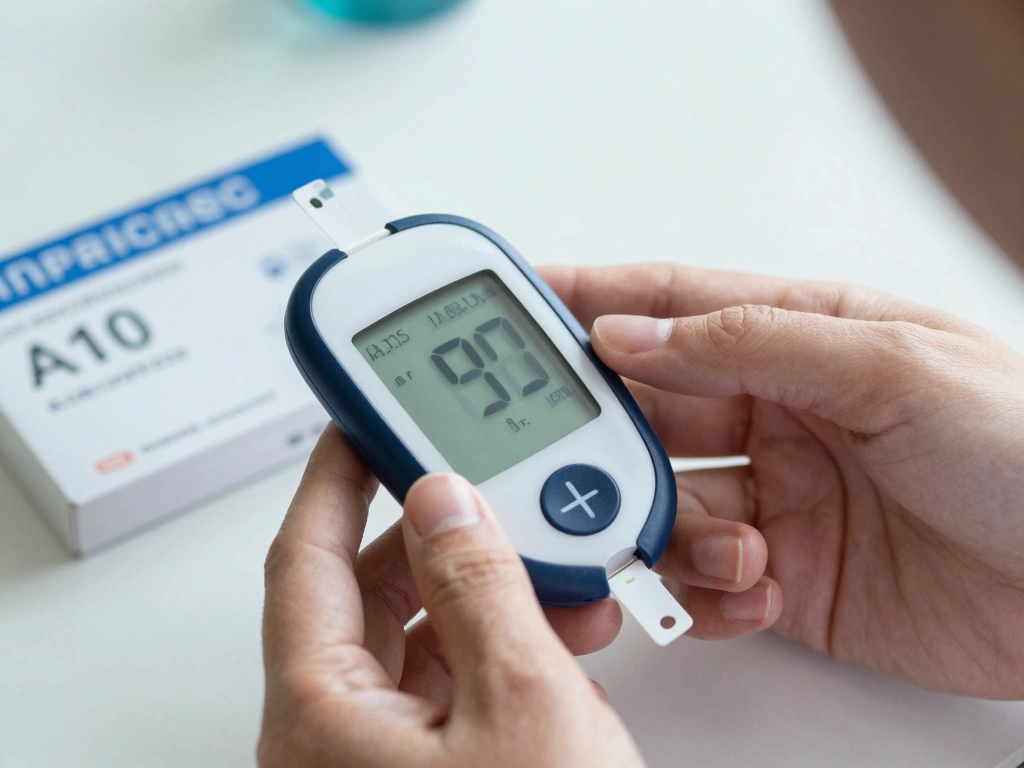
The fasting glucose test is performed using a blood sample taken from a vein in the arm or a finger prick. The blood sample is then analyzed in a laboratory or using a portable glucose meter. Results are typically expressed in milligrams per deciliter (mg/dL). For example, a fasting glucose level of 100 mg/dL is considered normal, while levels above this threshold may indicate potential issues with blood sugar regulation.
Normal Ranges for Fasting Glucose Levels
Understanding the normal ranges for fasting glucose levels is crucial for both patients and healthcare providers. The American Diabetes Association classifies fasting glucose levels as follows:
- Normal: Less than 100 mg/dL
- Prediabetes: 100 to 125 mg/dL
- Diabetes: 126 mg/dL or higher
These ranges help in assessing an individual's risk for developing diabetes and determining the appropriate intervention strategies.
Comparative Analysis: A1C vs Fasting Glucose
Differences in Measurement Methods
A1C and fasting glucose tests differ significantly in their measurement methods. A1C tests evaluate the percentage of glycated hemoglobin in the blood, reflecting long-term glucose control. In contrast, fasting glucose tests measure the concentration of glucose in the blood at a specific point in time. This fundamental difference means that A1C offers a broader view of blood sugar management over weeks or months, while fasting glucose provides a snapshot of glucose levels at the moment of testing.
Timeframe of Blood Sugar Reflection
The A1C test reflects blood sugar levels over a two to three-month period, making it particularly useful for assessing long-term glucose control. Conversely, fasting glucose levels indicate the body's current state of blood sugar regulation after fasting. This difference in timeframe is essential for clinicians when diagnosing diabetes and determining treatment plans. For instance, a person might have normal fasting glucose levels but elevated A1C levels, indicating poor long-term control.
Reliability and Accuracy of Each Test
Both tests are reliable, but they have different strengths and weaknesses. A1C results can be influenced by factors such as hemoglobin variants, anemia, or other medical conditions affecting red blood cells, which may lead to inaccurate results. On the other hand, fasting glucose levels can be affected by stress, illness, or recent food intake (if the fasting period is not strictly adhered to). Therefore, healthcare providers often use both tests in conjunction to obtain a comprehensive understanding of a patient's blood sugar status.
Implications of A1C and Fasting Glucose Results
Interpreting High A1C Results
Elevated A1C results can indicate poor blood sugar control and a higher risk of diabetes complications, such as neuropathy, retinopathy, and cardiovascular disease. For example, an A1C of 8% may prompt a healthcare provider to adjust medications, recommend lifestyle changes, or increase monitoring frequency to prevent long-term complications. It is crucial for patients to understand the implications of their A1C results and work closely with their healthcare team to develop a tailored management plan.
Understanding Abnormal Fasting Glucose Levels
Abnormal fasting glucose levels can indicate different stages of diabetes. A fasting glucose level of 110 mg/dL may suggest prediabetes, whereas a level of 130 mg/dL or higher typically indicates diabetes. Patients with elevated fasting glucose may need to consider lifestyle modifications, such as dietary changes and increased physical activity, to improve their glucose levels. In some cases, medication may be necessary to achieve better control.
How Results Influence Diabetes Management
Both A1C and fasting glucose results play a critical role in diabetes management. They help healthcare providers create personalized treatment plans that may include lifestyle changes, medication adjustments, and regular monitoring schedules. For example, a patient with an A1C of 7.5% and a fasting glucose of 140 mg/dL might be advised to increase their physical activity and consider starting an oral hypoglycemic agent to improve their overall glucose control. Regular follow-ups are essential to assess progress and make necessary adjustments.
Practical Considerations for Patients
When to Get Tested for A1C vs Fasting Glucose
The frequency of A1C and fasting glucose testing depends on individual circumstances. Generally, the ADA recommends that patients with diabetes have an A1C test at least twice a year if their blood sugar levels are stable and controlled. If adjustments to treatment are made, testing should occur every three months. Fasting glucose tests may be performed more frequently, especially when monitoring for changes in blood sugar control or in the context of prediabetes screening.
Tips for Preparing for Fasting Glucose Tests
Proper preparation for fasting glucose tests is essential to ensure accurate results. Here are some tips for patients:
- Fast for at least 8 hours prior to the test, drinking only water.
- Avoid alcohol and high-carbohydrate foods the night before the test.
- Inform your healthcare provider about any medications you are taking, as some may affect glucose levels.
- Try to minimize stress and avoid strenuous exercise before the test, as these factors can also influence results.
Consulting Healthcare Providers for Best Practices
Patients should actively engage with their healthcare providers to understand the significance of A1C and fasting glucose results. Open communication can help clarify any concerns, establish testing frequencies, and ensure that management plans are tailored to the individual’s needs. Regular check-ups and consultations are instrumental in adjusting treatment strategies and achieving optimal blood sugar control.